


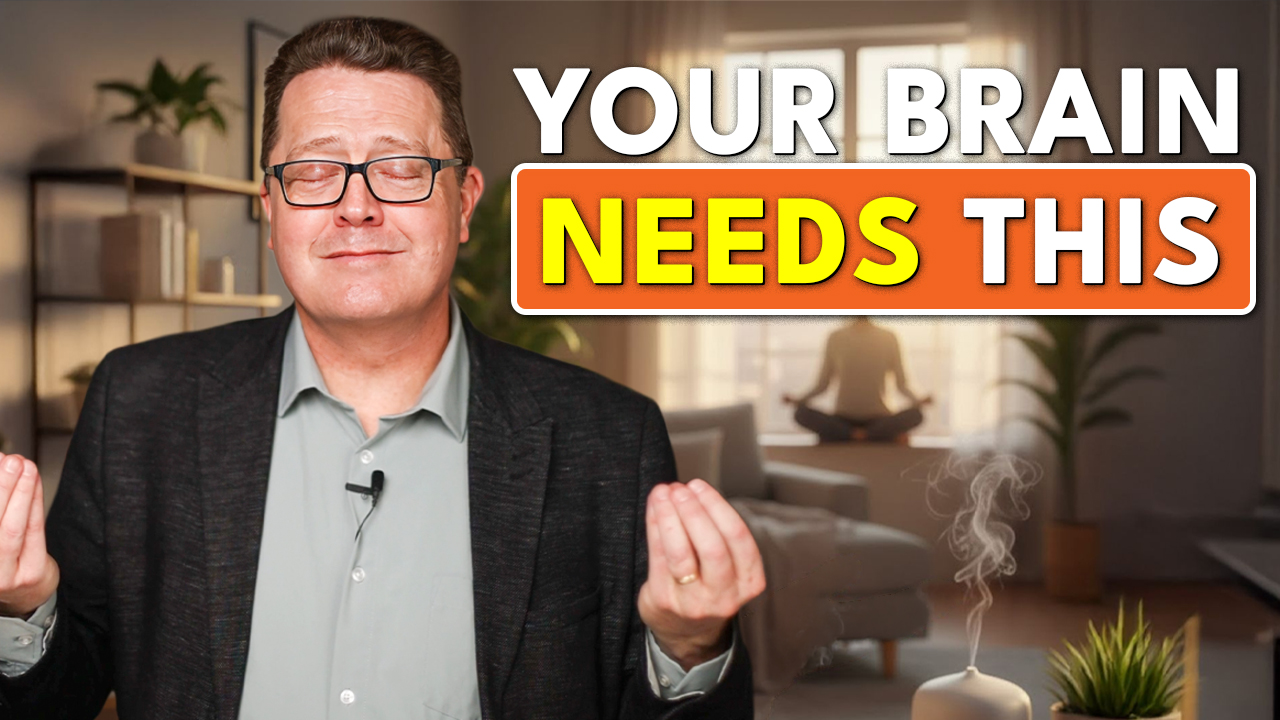
Why Is Self-Care Important for Mental Health? Here's What Psychology Says
Why Is Self-Care Important for Mental Health? Here's What Psychology Says
Self-care is often misunderstood.
For some, it's bubble baths, spa days, or taking a vacation. For others, it feels like an indulgence they simply don't have time for. Parents, caregivers, business owners, and leaders are especially prone to putting themselves last, believing that caring for others should always come first.
But psychology tells a different story.
Self-care isn't a luxury—it's a necessity for good mental health. More importantly, it's one of the most effective ways to improve your emotional well-being, strengthen your relationships, and show up as your best self for the people who depend on you.
If you've ever felt guilty for taking time for yourself, it's time to rethink what self-care really means.
Self-Care Is Not Selfish—It's Strategic
One of the biggest misconceptions about self-care is that it's selfish.
In reality, the opposite is true.
When you neglect your own physical and emotional well-being, your ability to care for others eventually suffers. Stress accumulates, patience wears thin, decision-making becomes harder, and burnout becomes more likely.
Think about driving on a busy highway.
The roads aren't safe because every driver is thinking about you personally. They're safe because each driver is responsible for taking care of themselves. They stay in their lane, follow traffic laws, adjust their speed when conditions change, and remain alert. By looking after their own safety, they make the road safer for everyone else.
The same principle applies to life.
When you take responsibility for your own mental health, you become more present, patient, and emotionally available. Your family, coworkers, clients, and community all benefit.
Self-care isn't an act of selfishness—it's an investment that allows everyone around you to thrive.
Why Mental Health Depends on Mental Hygiene
Most of us understand the importance of dental hygiene.
We brush our teeth every day because we know neglect leads to problems over time.
Mental health works the same way.
Just as dental hygiene protects your teeth, mental hygiene protects your mind.
Unfortunately, many people spend far more time caring for their teeth than caring for their thoughts, emotions, and stress levels.
Mental hygiene is the collection of daily habits that help keep your mind healthy, balanced, and resilient. It isn't about waiting until you're overwhelmed. It's about maintaining your emotional well-being before stress becomes burnout.
Just as brushing your teeth prevents cavities, consistent mental hygiene helps prevent chronic stress, emotional exhaustion, and negative thinking from taking over.
What Does Healthy Mental Hygiene Look Like?
Mental hygiene doesn't have to be complicated.
Small, intentional practices performed consistently often have the greatest impact.
Some examples include:
Practice Gratitude Daily
Research consistently shows that gratitude improves emotional well-being, increases optimism, and reduces stress.
A simple habit of identifying three things you're grateful for each day can shift your attention away from problems and toward possibilities.
Practice Intentional Breathing
Controlled breathing is one of the fastest ways to calm your nervous system.
Try this simple exercise:
Breathe in slowly through your nose.
Fill your lungs completely.
Pause briefly.
Exhale slowly through your mouth.
Even a few minutes of intentional breathing can reduce stress and improve emotional regulation.
Spend Time in Nature
Stepping outside, walking barefoot on grass, or simply spending time in natural environments can help many people feel calmer and more grounded.
While everyone's experience is different, connecting with nature often provides a welcome break from constant digital stimulation and daily pressures.
Feed Your Mind Positive Inputs
Your brain naturally notices problems.
That's part of its survival system.
Because negative information constantly competes for your attention, it's important to intentionally expose yourself to positive influences.
That might include:
Reading uplifting books
Listening to educational podcasts
Watching inspiring content
Spending time with encouraging people
Practicing reflection or journaling
Mental hygiene isn't about ignoring reality—it's about intentionally balancing your mental diet.
Self-Care Is More About How You Think Than What You Do
Many conversations about self-care focus on activities.
Take a walk.
Meditate.
Exercise.
Sleep more.
While these habits matter, there's an even deeper level of self-care:
Learning to care for your thinking.
The quality of your thoughts shapes the quality of your emotional experience.
If your inner dialogue is dominated by criticism, fear, comparison, or self-doubt, even the best self-care routine will have limited impact.
That's why developing awareness of your thinking is one of the most valuable forms of self-care available.
Understanding Metacognition: Thinking About Your Thinking
Psychologists use the term metacognition to describe the ability to observe and evaluate your own thinking.
Instead of automatically believing every thought that enters your mind, metacognition allows you to step back and ask questions like:
Why am I thinking this?
Is this belief accurate?
Is this helping me?
Is there another way to interpret this situation?
This simple shift creates something incredibly valuable:
Choice.
Without awareness, thoughts become automatic.
With awareness, you gain the freedom to choose a different perspective.
As the saying goes:
Awareness precedes choice.
Your Mind Has Two Powerful Modes
One helpful way to understand your thinking is to recognize that your mind is constantly operating in two different modes.
1. Evaluation
Your brain continuously evaluates everything around you.
You judge situations.
You judge yourself.
You judge your performance.
You judge other people.
Evaluation isn't inherently bad—it's simply something the brain naturally does.
The key is becoming aware of those judgments instead of allowing them to control your emotions automatically.
2. Creation
Your mind also has the remarkable ability to imagine possibilities and create solutions.
This creative mode allows you to:
Solve problems
Set meaningful goals
Build businesses
Strengthen relationships
Learn new skills
Design the future you want
When you spend more time intentionally creating instead of constantly criticizing, your mindset begins to shift from surviving toward growing.
Why Awareness Changes Everything
Many people assume they're powerless over their thoughts.
In reality, they're simply unaware of them.
Once you recognize the patterns driving your emotions, you regain the ability to interrupt unhelpful thinking and replace it with more constructive perspectives.
That awareness affects every area of life:
Better mental health
Stronger relationships
Improved decision-making
Greater productivity
Increased resilience
More consistent emotional well-being
Learning how your mind works is one of the most practical forms of self-care you can practice.
Practical Ways to Prioritize Self-Care Every Day
You don't need hours of free time to improve your mental health.
Small daily habits create lasting change.
Consider adding these practices to your routine:
Start each morning with three minutes of intentional breathing.
Write down three things you're grateful for every day.
Spend time outdoors whenever possible.
Limit unnecessary exposure to negative media.
Replace self-criticism with self-awareness.
Check in with your thoughts instead of simply reacting to them.
Schedule personal time with the same commitment you give work or family responsibilities.
Consistency matters more than perfection.
The Bottom Line
Self-care isn't something you earn after everything else is finished.
It's what allows you to handle everything else effectively.
When you prioritize your mental well-being, you're not taking away from the people you care about—you're becoming more capable of serving them.
Good mental health starts with daily mental hygiene, intentional awareness, and the willingness to care for your mind as consistently as you care for your body.
Because at the end of the day, self-care isn't about escaping life.
It's about building the emotional strength, clarity, and resilience to fully engage with it.


